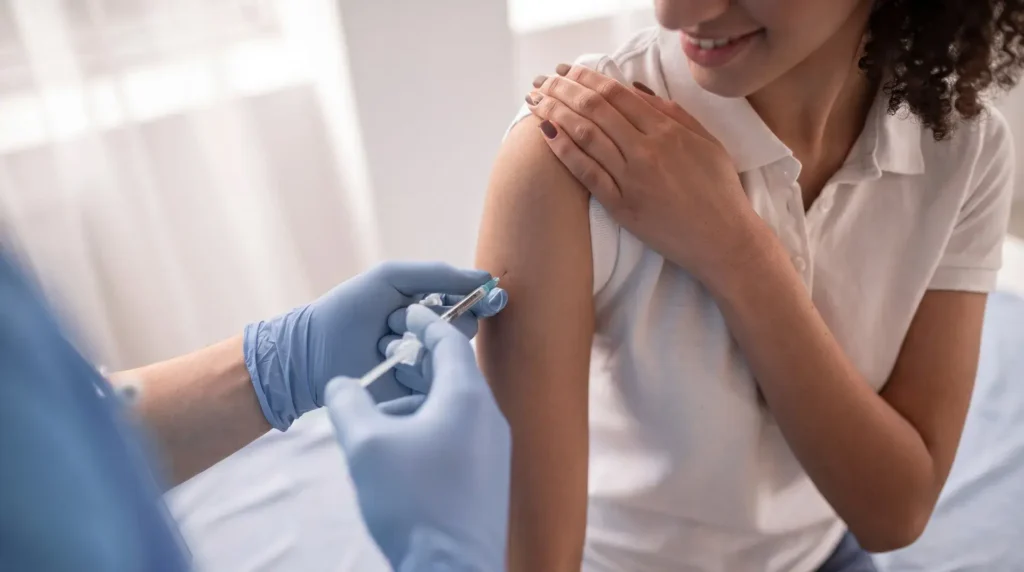




Hello again, and welcome to the Coreco Medicallab blog. Today we’ll be discussing cold chain management for medical products, reviewing the different components of the cold chain.
Any product that requires refrigeration is subject to conditions that must not be compromised. Furthermore, these products are typically used for food or medical purposes, which means that if the cold chain is broken, they may have to be destroyed—with the financial loss that such circumstances can entail.
Medical tissue samples, critical vaccines, pharmaceuticals, and other frozen or refrigerated supplies can be ruined if the exact temperature is not maintained while they are in storage.
Therefore, the cold storage of pharmaceutical products presents additional challenges.
Control of Pharmaceutical Products
Manufactured drugs have evolved and now contain more high-value ingredients. This means they often have a shorter shelf life and stricter temperature requirements for storage.
In addition, a new class of medications called biologics is on the rise. These products require temperature-controlled distribution. Ensuring their quality requires strict temperature control. The required temperature range for pharmaceutical products is 2°C to 8°C.
Everyone who works with refrigerated medical products, including pharmacists, must understand the cold chain.
What is the cold chain?
A cold chain is a temperature-controlled supply chain. All links in the chain must remain intact to maintain the product’s integrity. To keep the cold chain intact, the temperature must remain constant (refrigerated or frozen) from production, through transportation and storage, to distribution or patient treatment.
What happens if the chain breaks?
If the temperature exceeds the established limits, the product's quality, efficacy, or safety may be compromised. For example, in the case of vaccines, failure to maintain the correct temperature typically reduces their potency, which cannot be restored.
The Vaccines can be damaged by excessive heat, cold, or light. And usually, it's impossible to tell a spoiled vaccine from a good one. This means that the only real way to protect them is to be proactive about maintaining the correct temperature.
And if you are a supplier of medications that require refrigeration, you must follow the established guidelines and be able to demonstrate that the vaccines you store were never outside the recommended temperature range.
Other medical assets, such as medications, blood, and tissue samples, can be just as temperature-sensitive as vaccines. These assets are typically stored for most of the time while awaiting use, so the storage link is critical in the supply chain.
How can a constant temperature be ensured in cold chain management?
For cold chain management, specific guidelines are provided for vaccines (as shown below). However, we have similar recommendations for all medical products that focus on the use of remote monitoring technology.
We suggest that you monitor both the refrigerator's alarm panel and the actual temperature inside the refrigerator using a temperature sensor or probe. These are connected via cable or wirelessly to a smart device that continuously displays and records the temperature readings.
This device is often called a «remote data logger» or «remote monitoring system.» Think of a home alarm system. The sensors are the devices that detect when a window or door is opened, and the wall-mounted unit records the information and triggers the alarms when necessary.
We also recommend using a temperature buffer. The buffer helps stabilize temperature fluctuations in a freezer or refrigerator.
A typical temperature probe is a bottle filled with a glycol solution or glass beads into which a probe or sensor is inserted. Without a buffer, the probe or sensor measures the atmosphere inside the storage unit, which can change rapidly due to defrost cycles, door openings, and fans circulating air.
The air temperature inside the storage unit changes much more rapidly than the temperature of the vaccines and pharmaceutical products, so a reading from a damped probe more accurately reflects the temperature of the medical assets.
Recommendations on Thermometers
Continuous recording of storage temperatures
Traditionally, facilities used a manual method to keep a continuous record of temperatures. They placed log sheets in each refrigerator and freezer, and a designated staff member would check the temperature at a specific time each day and record it on the log.
Today, there are data loggers that continuously monitor the temperature of the probes in refrigerators and store the readings. Users can view the data on a computer or tablet at any time. In addition to providing documentation, the data logger can trigger an alarm when temperatures fall outside the specified range.
A remote monitoring system includes a data logger, but it goes a step further by automatically storing the data in a remote location that can be accessed from any computer, tablet, or phone. This means that staff no longer need to be physically present at the location of the refrigerators and freezers.
Data can be recorded at intervals that the user can customize. Separate intervals can also be recorded when the device is in alarm mode. The data is downloaded remotely via a website—either through a local network or the cloud—where it can be printed or exported in .pdf, Excel spreadsheet, or .csv format.
Remote monitoring systems also offer alarm functions. When a temperature outside a preset range is detected, the system sends a phone call, text message, or email to the designated contacts so they can take preventive measures.
Benefits of Remote Monitoring
Remote monitoring systems are the most effective monitoring technology because they help you verify that everything is constantly at the correct temperature. You’ll get a cost-effective early-warning system, detailed data logs, and trend data to demonstrate compliance.
Today's most advanced systems also allow users to record the highest and lowest temperatures over a given period of time, often a 24-hour period.
This provides a snapshot to ensure that temperatures were within the limits for that day, which is convenient when the person responsible for monitoring temperatures is not the same person designated to receive alarm notifications.
Remote monitoring systems require a larger initial investment. On the other hand, they cost much less when you factor in the labor costs of manual record-keeping and the «costs» associated with the financial risk of vaccines and other assets at stake.
Validation, Compliance, and Possible Consequences
It is very important that healthcare personnel in both hospitals and health centers are committed to managing the cold chain for these types of products.
If the error occurs while the vaccines are being stored at a hospital or clinic, the company or agency responsible must pay for the loss.
Automation of Temperature Monitoring
Therefore, it is advisable to use automatic monitoring in order to properly record and document all actions performed on each device.
For this reason, vaccine suppliers are required to take the necessary steps to store vaccines at the proper temperature and maintain that temperature until they are administered. They also need a system that documents their temperature history with specific data.
Temperature control of refrigerated items helps ensure the integrity of the cold chain. The temperature control devices used must be calibrated and accompanied by a certificate of traceability and calibration test results.
Specific Regulations
The DIN 58371 (for use in blood banks: refrigerators and freezers that store blood or plasma bags) and DIN 58375 (Freezers that store blood or plasma bags) place special emphasis on ensuring that there is a Temperature Logging and Traceability It must reflect the recent history of temperature deviations experienced by your refrigerator or freezer.
Although this has traditionally been done by hand, with today's technology it is possible to do it automatically, which saves staff time and eliminates human error.
Once the device is installed, it is recommended to perform calibration tests every one or two years. Documentation is essential, so using a temperature data logger makes this process automatic and continuous.
Cold medical supplies, such as vaccines, pharmaceuticals, and research samples, are expensive and sometimes irreplaceable. Their temperature must be maintained during storage until they are ready for use. If you're interested, you can read the article on How to Prevent the Loss of Medications Using Laboratory and Pharmacy Refrigerators.
The remote monitoring systems and data loggers These products protect data 24 hours a day. They provide an audit trail that documents proper storage. The devices are so inexpensive to install and maintain that you simply cannot afford to do without this monitoring technology.
We've reviewed how the cold chain should be managed for medical products. We hope you found this interesting. Best regards, and see you next time.