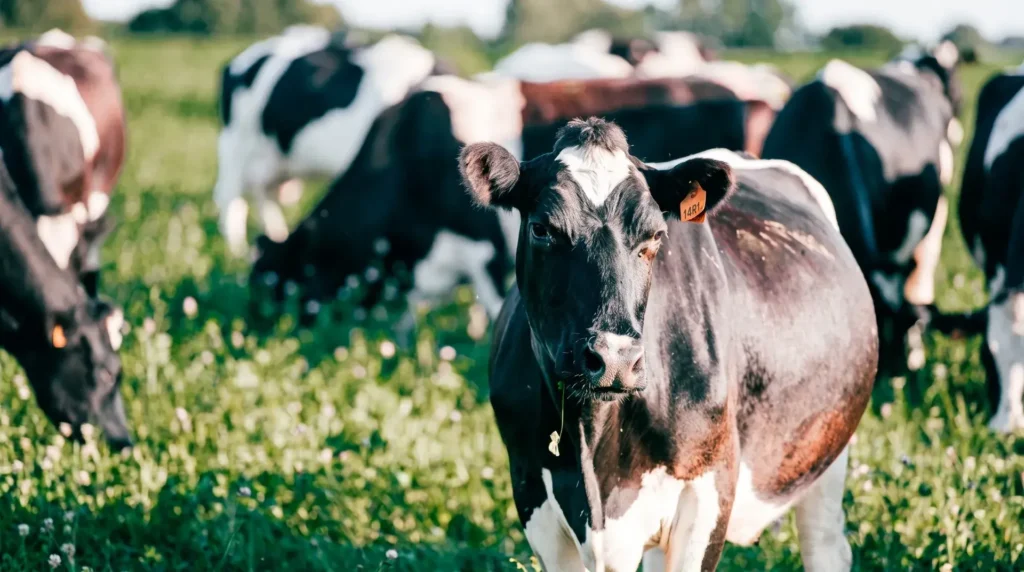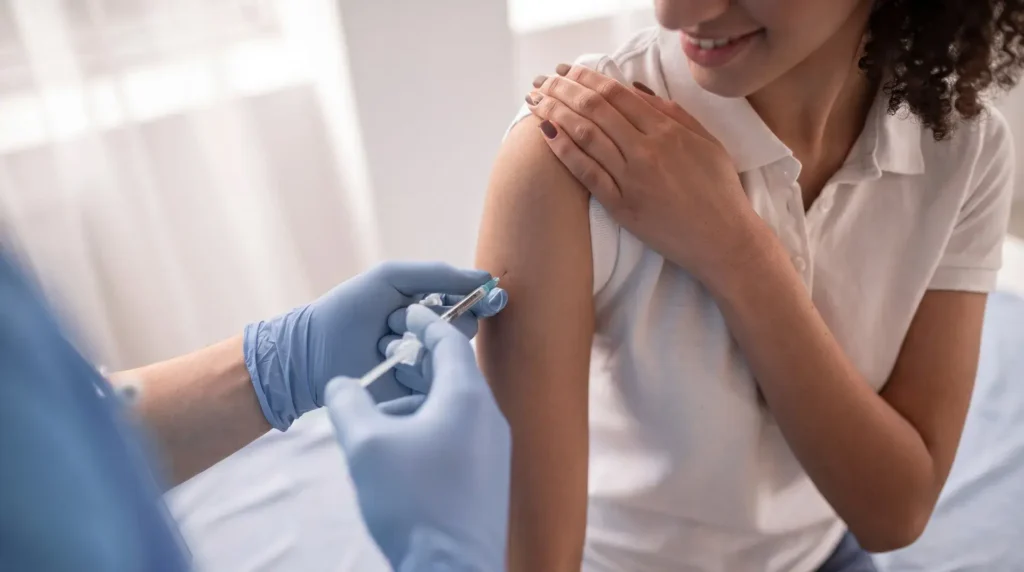




Hello, and welcome back to the Coreco Medical Lab blog. In this post, we’ll be discussing refrigerators for veterinary vaccines and other heat-sensitive medications used by veterinarians.
Veterinary vaccine refrigerators play a crucial role in preventive health care, both for the pets we share our homes with and in the livestock industry. These veterinary vaccine refrigerators help preserve the effectiveness of vaccines that require low storage temperatures for a longer period of time.
Among the most commonly used types of vaccines in veterinary medicine are modified live virus (MLV) vaccines, inactivated vaccines with adjuvants, and recombinant vaccines. These different types of vaccines also require different temperature conditions during transport and storage. For example, MLV vaccines require strict adherence to the cold chain because they tend to be more sensitive to heat than other types of vaccines.
Vaccination: Becoming More Important Every Day
Vaccination has become a key strategy in the prevention of veterinary diseases, as it has a direct impact on human health and on the profits of the livestock industry.
Every veterinarian fears an outbreak of a disease against which their livestock has already been vaccinated. When this happens, it is commonly assumed that the vaccine was defective from the start. However, although vaccination is an important part of prevention, other key aspects of a successful vaccination process are often overlooked. One of the most important—and often overlooked—steps in ensuring the success of immunizations is the uninterrupted storage of vaccines under ideal cold chain conditions.
Many livestock farmers may spend a lot of money on a batch of vaccines, but storage and maintaining the cold chain are often overlooked.
What is the cold chain?
First of all, it is It is important to know that the cold chain It is a temperature-controlled supply chain used to maintain a desired low temperature range. This process ensures that vaccines and other veterinary medications—which require refrigeration—are always kept within a stable temperature range and do not lose their effectiveness.
Virtually all vaccines used in veterinary medicine for small and large animals, including freeze-dried and liquid forms, must be stored in the dark at temperatures between 2°C and 8°C, which is known as the «refrigeration temperature.» This refrigeration temperature must be maintained at all times, from the vaccine’s manufacture until its administration to the animal.
Since vaccines are highly sensitive to extreme temperature changes, whether cold or hot. A rise in temperature and constant exposure to sunlight (due to the effects of ultraviolet light) cause the degradation of the vaccine’s preservatives, adjuvants, and antigens, rendering the immunization ineffective. On the other hand, when the temperature drops too low or the vaccine freezes, the adjuvant can separate from the antigen and form a microscopic precipitate that often causes a local inflammatory reaction in the animal after inoculation, which can become severe. Another effect of storing vaccines at very low temperatures is a loss of effectiveness and a reduced immune response in the animal.
What are the consequences of a cold chain failure for veterinary vaccines?
When the cold chain is broken and temperature fluctuations occur that exceed the aforementioned refrigeration conditions, vaccines often lose their prophylactic effectiveness, leading to a reduced immune response in the animal to the infectious agent and the possibility that the animal will develop the disease against which it has already been vaccinated.
In the worst-case scenario, it will not only affect a single animal but will also lead to an outbreak of the disease among local and neighboring livestock. This failure in the vaccination process will result in significant economic losses for the livestock industry.
The animal’s lack of an immune response and the development of diseases—often of bacterial origin—will lead to increased use of antibiotics to combat such infections, which in turn could have consequences for human health through the consumption of livestock products. One such consequence may be poisoning caused by the antibiotics themselves. Another potential consequence is the development of antimicrobial resistance in the bacteria that commonly infect us. For this reason, governments and various livestock regulatory agencies have implemented policies to more strictly regulate and monitor the use of antibiotics.
An example of a basic vaccine
A good example of this adverse situation is the vaccine against bovine viral diarrhea (BVD). The BVD virus cannot be treated, and infected animals remain in this condition for life, while also being capable of infecting other animals. Animals infected with this virus are immunosuppressed and are more susceptible to infection by other pathogens on the farm.
Vaccination against the DVB virus plays a crucial role in controlling this disease. For example, bovine viral diarrhea is considered one of the greatest health challenges in the UK livestock industry, as it is estimated that this disease costs British livestock producers nearly 61.1 million pounds sterling annually, including both financial losses and the costs of disease control measures.
Ultimately, vaccines are the most sustainable and efficient preventive tool for maintaining animal health and well-being without affecting human health. Therefore, a breakdown in the cold chain could trigger an infectious outbreak, which would inevitably lead to health problems in livestock, increased use of drugs that put human health at risk, and severe economic losses for the livestock industry.
Transport, Storage, and Handling of Veterinary Vaccines cold
Proper transportation, storage, distribution, and handling of vaccines are issues that are often overlooked when developing or implementing vaccination protocols. Between the time a vaccine leaves the manufacturer’s facility and the time it is administered to an animal, there are constantly many unnoticed instances of contamination or inactivation.
By being aware of these potential «weak points» in a vaccine protocol, technicians can help ensure that vaccines do not become ineffective due to improper handling. Awareness of the importance of maintaining the cold chain during the transport, storage, and handling of vaccines is very high for vaccines administered to humans, and this should be replicated in the livestock industry, given the high global consumption of meat products and the need to ensure human health as well.
It is hoped that, with the same dedication and vigilance, the veterinary community can help eliminate animal diseases such as parvovirus and panleukopenia. Strengthening all aspects of vaccination protocols, including monitoring the cold chain, is the foundation of animal and human health and the basis for increasing profits in the livestock industry.
Tips for Storing Veterinary Vaccines That Require Refrigeration
The institution must designate one person as the primary person responsible for recording refrigerator temperatures and for leading efforts to maintain the vaccine cold chain. It must also designate a person to serve as a substitute in the event that the primary person is absent. Both individuals must be thoroughly familiar with their duties and stay informed about various situations.
Vaccines should be stored in their original packaging, and the boxes should be rotated so that the newest batch (with the latest expiration date) is at the back and is used last.
Food and beverages should not be stored in the vaccine refrigerator. Doing so violates international occupational safety and health regulations. Furthermore, frequently opening the refrigerator to retrieve food can also cause temperature fluctuations inside.
Temperature Monitoring and Logging
With regard to monitoring and recording the temperature inside the vaccine refrigerator, a high-quality thermometer must be kept in the center of the vaccine refrigerator, and the temperature of the refrigerator must be checked twice a day (that is, at the beginning and end of the workday).
The temperature must be recorded in a logbook, along with the exact time it was checked and the initials of the person who checked the temperature; if the temperature of the vaccine refrigerator is outside the recommended range (i.e., 2–8°C), the record serves as a visual cue to take action.
If the temperature is above or below the recommended range, an immediate investigation is required. Check that the door seals are intact and that the door closes tightly. Adjust the thermostat if necessary, and call an appliance technician if needed. The exact temperature and the actions taken must be documented in the logbook.
What if there's a power outage?
In the event of a power outage, do not open the refrigerator until power is restored. Once power is restored, immediately check and record the temperature inside the refrigerator, as well as the duration of the outage. Affected vaccines should not be discarded; instead, they should be marked and kept separate from unaffected vials.
Vaccine manufacturers should be contacted for guidance. Depending on the duration of the power outage and the final temperature in the refrigerator, the vaccines may still be usable. If a prolonged power outage is expected, the vaccines can be moved off-site to a location that is not affected.
No detailed studies have been published on the degradation of veterinary vaccines exposed to inappropriate temperatures. Storage at room temperature for a couple of hours is likely to have a negligible effect, but it is unknown at what temperature and duration of exposure inactivation becomes a problem.
More detailed studies have been conducted on human vaccines and show that the inactivation rate varies considerably depending on the pathogen, the strain, the vaccine formulation, the manufacturer, and the exact environmental conditions.8 For example, measles vaccines are quite stable in their lyophilized form but become inactivated within a few hours of reconstitution.8
Tips for Storing Vaccines
- Keep a good-quality thermometer in the vaccine storage refrigerator.
- Keep the refrigerator between 2°C and 8°C.
- Do not overload the refrigerator.
- Store the vaccines in their original packaging.
- Stack the vaccines by type and rotate the inventory so that the batch with the earliest expiration date is used first.
- Record the temperature twice a day on a log sheet.
- If the temperature is above or below the recommended range, notify your supervisor and call a technician if necessary.
- Make sure all staff members close the refrigerator door securely after opening it.
- Do not store food or beverages in the vaccine refrigerator.
- Mark the refrigerator's power outlet with signs that say «Do not unplug.».
Tips for Managing Vaccine Transportation
Vaccines are frequently transported to both large-animal and small-animal clinics. The cold chain must be maintained during transport. Vaccines must be stored in an insulated cooler. Frozen ice packs or chilled packs should be used as needed to maintain a temperature between 2°C and 8°C.
The temperature of the cooler must be monitored and recorded immediately before and after transport. A layer of insulation must be placed between the vaccine box and the ice pack to prevent direct contact, which could cause the vaccine vial to reach freezing temperatures.
The cooler must be kept in the vehicle's passenger compartment; temperatures in the trunk or truck bed could be too high in the summer or too low in the winter.
Tips for Handling Vaccines
The vaccine's efficacy may also depend on how it is handled. When a vaccine is developed, a minimum immunizing dose (MID) is established.
The MID represents the amount of antigen that will be present in the vaccine dose on the expiration date.
This helps reassure manufacturers that the vaccine provides protection until its expiration date if handled properly.
For freeze-dried vaccines, only the diluent supplied with the vaccine should be used. Generally, it is not necessary to refrigerate the diluents, but it is usually more convenient to store them in the refrigerator along with their corresponding vaccines.
Sterilization of Needles and Syringes
Always use a new, sterile syringe and needle to draw up and administer a vaccine. Vaccines should not be reconstituted or drawn into the syringe until they are needed.
Not only may the reconstituted vaccine be more sensitive to temperature than the unreconsstituted vaccine, but there is also a risk of bacterial contamination and overgrowth if the syringe is left standing for an extended period.
In addition, there is a risk of «misidentification» because many vaccines look similar in the syringe. In many cases, it is recommended that vaccines be used within 30 minutes of reconstitution.
Some veterinary vaccines are available in multidose vials. When using a multidose vial, the veterinarian must ensure that the vial has been thoroughly mixed before withdrawing a dose and take steps to minimize contamination of the vial.
Standard safety procedures for sharp objects must be followed to prevent accidental needle sticks. This is of particular concern in the case of brucellosis vaccines because the vaccine agent is live and zoonotic.
A vaccination program can help prevent many potential problems for producers. However, if the vaccines are not stored and handled properly, the program may be ineffective.
The Sensitivity of Vaccines to Temperature Changes
As we explained earlier, vaccines are highly sensitive to extreme temperature changes, whether from cold or heat. Generally, rising temperatures and constant exposure to sunlight (due to the effects of ultraviolet light) cause the degradation of the vaccine’s preservatives, adjuvants, and antigens, rendering it ineffective.
On the other hand, when the temperature drops too low or the vaccine freezes, the adjuvant may separate from the antigen and form a microscopic precipitate, which often causes a local inflammatory reaction in the animal after inoculation or results in a less effective vaccine and a reduced immune response.
Thawing or refreezing a vaccine that has been exposed to extreme temperatures will not restore it to its original state. If the vaccine has been exposed to extreme conditions, it should not be administered to the animal and must be discarded.
Conclusion
The cold chain ensures that veterinary vaccines remain viable at temperatures between 2°C and 8°C, from the time they are manufactured until they are administered to the animal.
A break in the cold chain can reduce the vaccine’s effectiveness, diminishing the immune response in livestock and making it possible for them to develop the disease against which they have already been vaccinated. This results in significant economic losses, primarily in the livestock industry.
Veterinary vaccine refrigerators are a very important part of the vaccination program, as they maintain the cold chain, thereby safeguarding your investment and the health of your livestock or the animal being treated.
The purchase of reliable refrigeration equipment, combined with the necessary monitoring and proper maintenance, transport, and handling of the vaccine, will ensure a successful vaccination process in animals.
We hope we've been able to help you understand the importance of veterinary vaccine refrigerators. Thank you very much for your interest. See you next time.